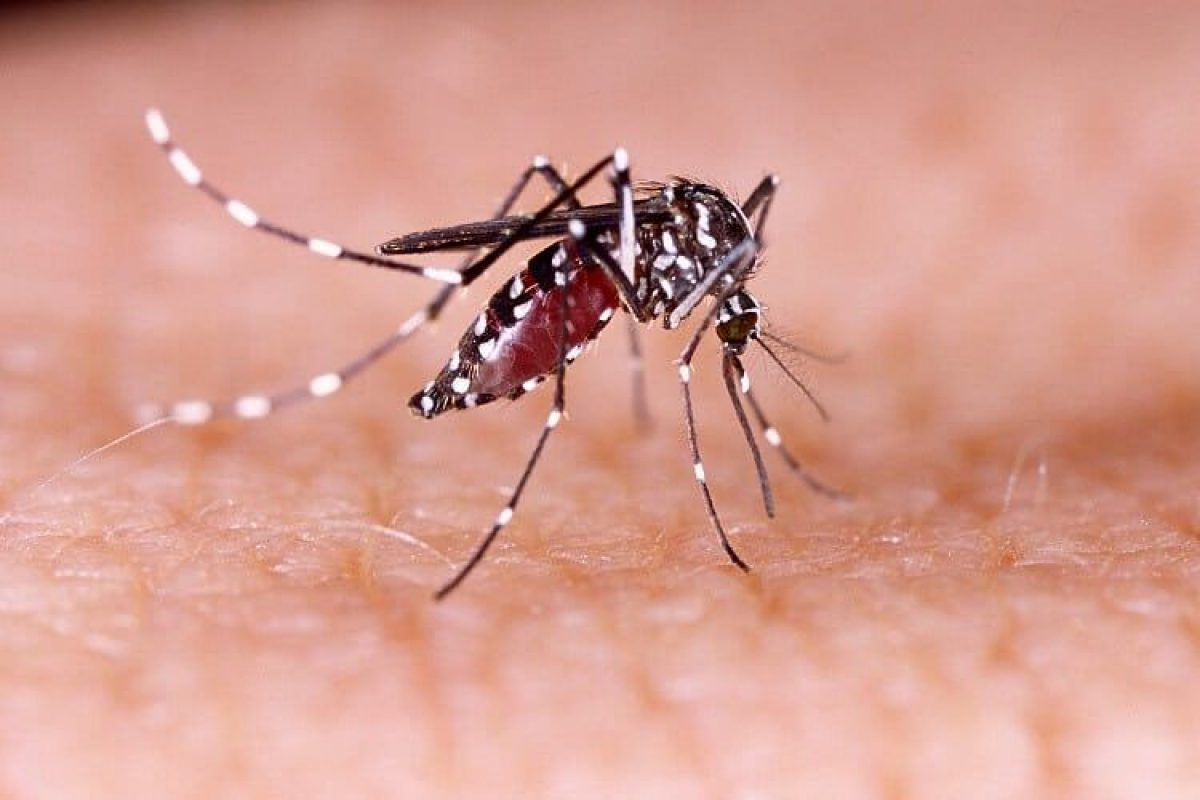
Zika and Child Neurodevelopment
Sabbag Clinical Research Center’s contribution to scientific evidence generation
Research on the Zika virus has advanced the understanding of its effects on early brain development, particularly in cases of prenatal exposure. [cite: 217]
Evidence published in high-impact journals shows that its consequences may extend beyond visible abnormalities at birth. [cite: 247]
Professionals associated with Sabbag have contributed as co-authors in international studies, providing clinical and imaging expertise. [cite: 578, 1115]
These collaborative efforts involved monitoring large cohorts of exposed pregnant women and their infants in the Atlántico Department of Colombia. [cite: 219, 1121]
Key findings in neurodevelopment

Studies published in JAMA Pediatrics evaluated neurological development in children exposed during pregnancy. [cite: 218]
Longitudinal follow-up allows identification of changes not evident in early stages. [cite: 246, 251]
Even without congenital Zika syndrome, developmental differences may occur. [cite: 233]
Specifically, multidomain assessments using the WIDEA and AIMS tests revealed that developmental scores in mobility, communication, and social cognition began to decline from normative levels as children approached 18 months of age. [cite: 224, 230, 231]
These findings highlight the need for extended clinical monitoring. [cite: 234]
Sabbag specialists contributed to clinical analysis and evidence generation. [cite: 578, 594]
Mulkey SB et al. JAMA Pediatrics, 2020.
The role of neuroimaging in early detection

Neuroimaging plays a central role in detecting brain abnormalities associated with prenatal exposure. [cite: 1124]
Ultrasound enables early detection of structural anomalies. [cite: 1149]
In a prospective cohort, postnatal cranial ultrasound proved highly sensitive, detecting subtle changes such as lenticulostriate vasculopathy and subependymal cysts in 37% of evaluated infants. [cite: 1131]
MRI provides detailed characterization of brain tissue. [cite: 1186, 1195]
Fetal MRI was crucial for identifying severe, complex abnormalities such as cortical malformations and heterotopias during the second and third trimesters. [cite: 1126, 1127]
Combining both improves diagnostic accuracy and follow-up. [cite: 1262]
Sabbag professionals contributed through imaging analysis and clinical expertise. [cite: 1185, 1378]
Mulkey SB et al. JAMA Pediatrics, 2018.
A collaborative research-driven approach

Zika research has been driven by collaboration across institutions. [cite: 1121, 1365]
Sabbag professionals contributed through clinical and imaging expertise. [cite: 704, 721]
Prenatal exposure may lead to neurological alterations even without visible signs at birth. [cite: 248]
A notable achievement of this collaboration was the successful implementation of a non-sedated brain MRI training protocol for 7-year-old children in rural and semi-rural Colombia. [cite: 701, 738, 739]
Using a low-cost mock scanner play tunnel and customized educational booklets, the team achieved an 89% success rate in acquiring high-quality images. [cite: 739, 808, 884]
These findings highlight the importance of interdisciplinary work and continuous follow-up. [cite: 748, 1345]
Compilation of Zika-related studies.
conclusion
Evidence confirms that prenatal Zika exposure may impact neurodevelopment even without early signs. [cite: 349]
Longitudinal studies and neuroimaging are essential to understanding these effects. [cite: 1255]
Continuous monitoring and proper diagnostics are critical for patient care. [cite: 567]
The successful implementation of accessible, non-sedated MRI protocols further empowers international researchers to study brain development safely in low-resource settings. [cite: 748, 971]
Ultimately, the work carried out at Sabbag Radiologos provides a vital blueprint for managing and monitoring pediatric populations exposed to neurotropic viruses. [cite: 1074, 1100, 1407]